
Dun Mikiel Xerri: The Priest Who Led a Maltese Revolt Against the French
On 17 January 1799, Dun Mikiel Xerri was executed by French firing squad in Valletta’s Palace Square for his role in leading a Maltese plot against the French occupying forces. His death has been remembered in Maltese history as the ultimate sacrifice of a patriotic priest resisting foreign rule.
French Occupation of Malta in 1798
In June 1798, during Napoleon Bonaparte’s expedition to Egypt, French forces took control of Malta. Napoleon’s army displaced the Knights of St. John and instituted reforms designed to secularise the island and appropriate church property. These actions quickly alienated significant segments of the Maltese population, especially clergy and local elites who saw their traditional rights, privileges, and property threatened.
Initially, some Maltese welcomed the end of Knightly rule. However, French policies that involved confiscation of ecclesiastical assets and dismissal of local traditions generated widespread discontent. By September 1798, Maltese insurgents had risen against the French, reclaiming the countryside while the French maintained control of fortified cities such as Valletta and its harbour. The British and Portuguese navies eventually joined the Maltese blockade, interrupting French supply lines and creating severe hardship on both sides. The siege around French-occupied Valletta would endure for more than two years.
Dun Mikiel Xerri: Priest, Philosopher, and Revolutionary
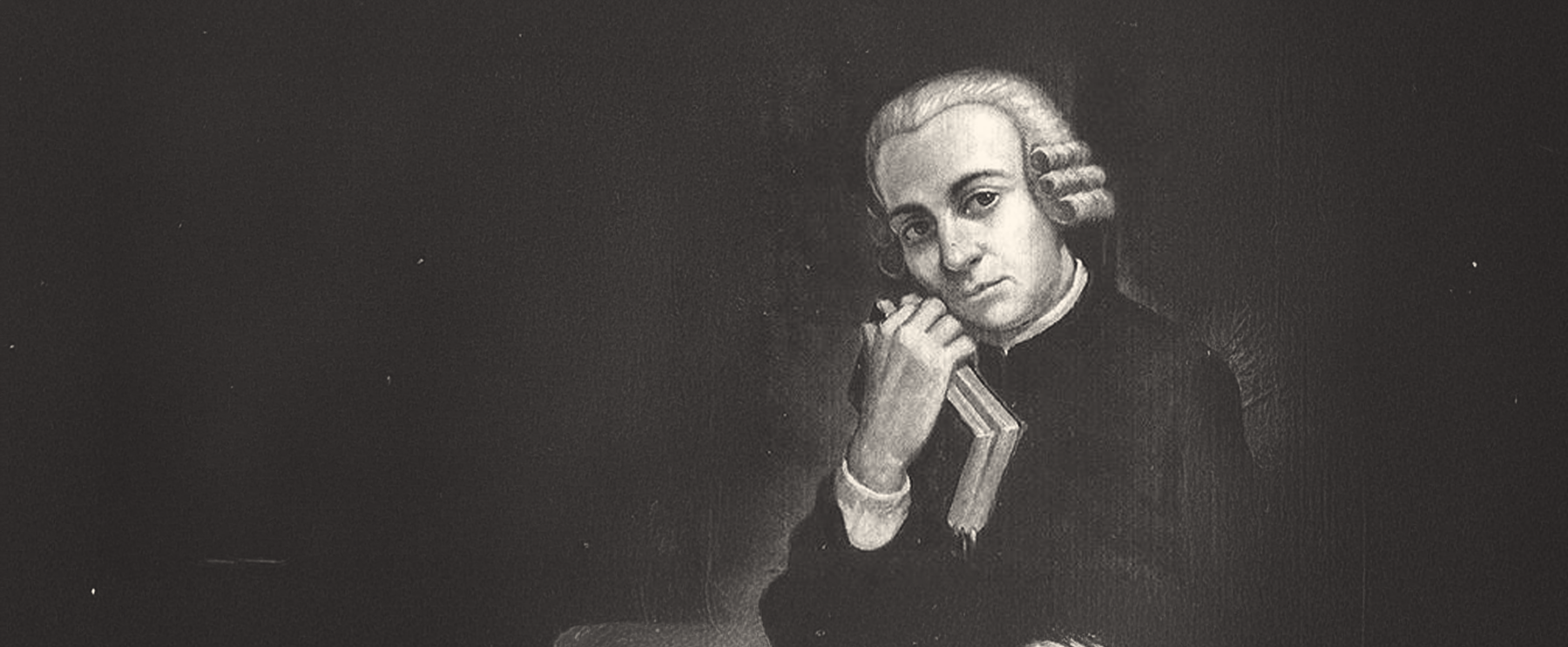
Born 29 September 1737 in Ħaż-Żebbuġ, Malta, Xerri was educated at several European universities and became a Roman Catholic priest. According to the timeline you provided, he was also regarded as a thinker with interests in philosophy and mathematics.
By late 1798, resistance leaders began devising a plan to retake Valletta from within. Key figures in this plot included Dun Mikiel Xerri and Guglielmo Lorenzi, a Corsican colonel with military experience. The plan involved launching coordinated attacks on French positions, including signalling from St. John’s Co-Cathedral belfry and deploying insurgent forces hidden near Marsamxett Harbour.
The Plot Unravels
The plan never reached execution. On 11 January 1799, a Genoese blockade runner brought supplies and news of French successes in Europe into the harbour. French troops celebrated the arrival, strengthening their morale and defences and disrupting Maltese coordination. The following day, 12 January 1799, Greek collaborators alerted French General Vaubois to the plot. French patrols discovered insurgents hiding near Marsamxett and tightened security. Panic ensued among the Maltese conspirators, some of whom fled, were captured, or attempted to swim to safety.
Once the plot’s leaders were rounded up, Xerri and Lorenzi were imprisoned. Guglielmo Lorenzi was executed on 14 January 1799. Three days later, on 17 January 1799, Dun Mikiel Xerri was executed by firing squad, along with dozens of other Maltese patriots between January and April of that year. Sources note that both men maintained resolve in captivity and wrote letters expressing their hope for Malta’s freedom.
Execution and Final Moments
On the morning of his execution, Xerri was visited by Archbishop Vincenzo Labini. After prayers, Xerri was taken from Fort Saint Elmo to Palace Square. Before his death, he reportedly handed over a silver watch and requested to be shot through the heart. Eyewitness accounts record that he cried out religious words and patriotic sentiments, including “Viva Malta,” before being shot. He was buried near the Church of Saint Publius in Floriana.
Aftermath of the Revolt and the Siege
The executions did not end the Maltese revolt. The countryside remained in insurgent hands under British, Portuguese, and Neapolitan assistance, maintaining the blockade of French-held Valletta. The siege dragged on, with starvation and disease affecting both sides. On 4 September 1800, after more than two years, the French forces, weakened by starvation and disease, capitulated.
Legacy and Commemoration
Dun Mikiel Xerri’s legacy was formally acknowledged in 1986 when a bronze monument by Maltese sculptor Anton Agius was erected in Independence Square (Misraħ l-Indipendenza) in Valletta. The monument honours Xerri and the other Maltese patriots who died during the rebellion. The plot and his sacrifice have been commemorated in Maltese literature and culture, featuring in historical novels, operas, and poetry, including a poem by Dun Karm Psaila dedicated to him.