
PN wins 2008 Malta general election – one of the closest election races in Maltese history
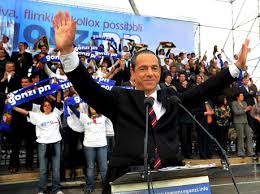
On 9 March 2008, the Maltese sat through the final count of the Malta 2008 general election, one of the most closely contested elections in the country’s political history. The voting itself had taken place on 8 March. Early celebrations from the Labour side on Sunday morning faded as it became clear that the narrow margin made it too early to call. After a long wait on Sunday, as the samples and first-count picture sharpened, the Nationalist Party’s win became clear.
The final margin was tiny. Official results show PN on 143,468 votes, or 49.34 per cent, against Labour’s 141,888, or 48.79 per cent, a gap of just 1,580 votes. Turnout was still very high by international standards at 93.3%, but it was noticeably lower than Malta had become used to in general elections.
Since no party won more than 50 per cent of the valid vote, the constitutional corrective mechanism kicked in, producing a house with 35 Nationalist MPs and 34 Labour MPs. That photo finish scenario resulted in a relatively weak government, which came back to bite the PN years later.
What made the campaign interesting is that it did not revolve around one single overwhelming issue, like the 2003 EU-tied election for example. Issues shifted constantly as both parties fought to put the focus where it was more beneficial for them. Still, some subjects clearly mattered more than others.
Cost of living was one of them, especially since oil prices were high and utility surcharges were hurting households and businesses. Labour tried to weaponise that pain by promising to cut the surcharge on water and electricity bills by half, while PN argued that this was financially reckless and preferred to present itself as the more serious manager of the economy. Education and healthcare also became campaign battlegrounds, though often in a distorted and highly politicised way.
The economy and Europe sat underneath almost everything. Malta had joined the euro on 1 January 2008, only weeks before the election, and many had expected the changeover to create enough inflationary resentment to hurt Lawrence Gonzi badly. That did not really happen. Instead, PN campaigned on the idea that it had steered Malta through difficult restructuring, delivered euro entry successfully, reduced the deficit, and kept the country on a pro-European path.
Labour, meanwhile, had already abandoned its old anti-EU line, but Alfred Sant still stirred controversy by suggesting that a Labour government would seek to reopen parts of Malta’s EU accession package, especially on issues such as dockyards, agriculture and fisheries. PN jumped on that immediately, framing Labour as still not fully settled on Europe and as willing to reopen battles many voters thought had already been decided.
Other stories added to the sense that the campaign was unstable and combustible. Spring hunting became a real political problem because the European Commission had taken Malta to court over the derogation allowing it, forcing both major parties to tread carefully between hunters and environmentalists.
The future of the dockyards was another headache, because EU state-aid rules meant the old model could not continue indefinitely. Then there was the whole cluster of planning, development and corruption stories around MEPA, which fed a wider public mood of distrust.
In the closing phase of the campaign, the Mistra affair involving PN candidate Jeffrey Pullicino Orlando became especially toxic. This story linked overdevelopment, political ethics, and environmental damage, dominating headlines just days before people voted.
This was the day Malta decided, by the narrowest of margins, to stick with Lawrence Gonzi’s promise of continuity rather than Alfred Sant’s promise of change. PN secured a third consecutive term, but some argue that in hindsight, that win cause damage to the party which it has not yet fully recovered from. The result triggered a leadership crisis within Labour, and within days Alfred Sant resigned, setting the stage for the emergence of Joseph Muscat and a very different political era.