
Malta LGBT rights history - the vote that started it all
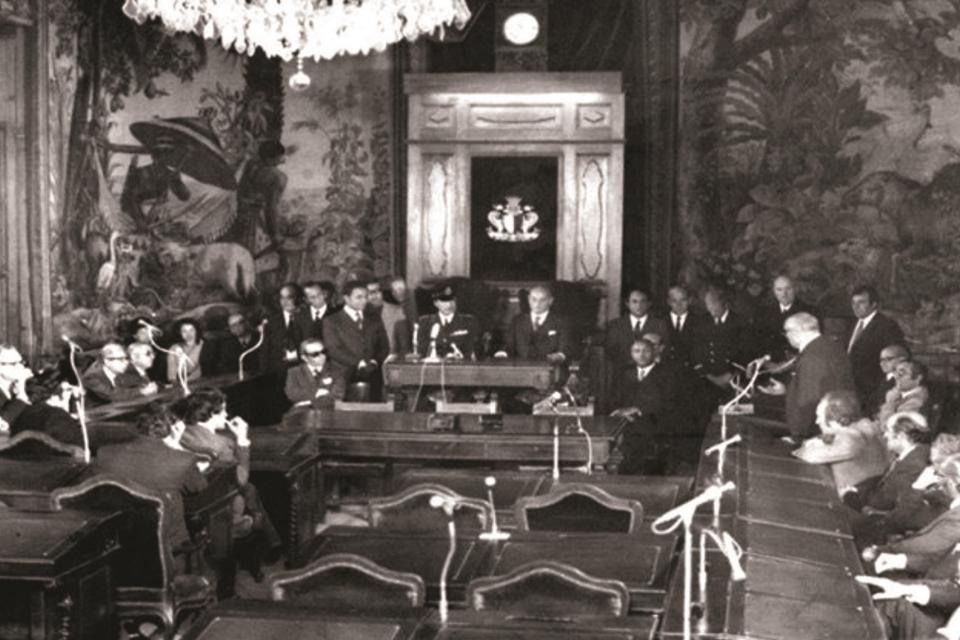
The 29th of January, marks the anniversary of the day Malta’s Parliament decriminalised consensual same-sex sexual activity in 1973. This was a legal change that, at the time, looked less like a “rights revolution” and more like an uncomfortable clean-up of an old morality law. Nevertheless, it marked the start of Malta’s LGBT rights history
What changed was simple but profound: the Criminal Code was amended so that private, consenting same-sex intimacy was no longer treated as a criminal act (language of the era framed this as removing the offence around “unnatural carnal connection” in cases without violence).
It happened under Dom Mintoff’s Labour government, and it passed on a knife-edge vote, with 28 in favour and 26 against.
But here’s the part that’s easy to forget when we tell the story. The case made in 1973 wasn’t a modern “live and let live” argument. Reporting and later research into the parliamentary debate suggests the amendment was driven heavily by a practical concern, blackmail.
The law itself wasn’t a Maltese tradition so much as colonial legal inheritance. Malta’s modern Criminal Code was enacted in 1854 under British rule, and it included an offence against “unnatural carnal connection” that closely echoed Victorian-era English morality laws. In practice, these clauses were used to police certain sexual acts (it was broadly interpreted as a ban on anal sex, whether heterosexual or homosexual).
The law was described as largely dormant, with the last documented use dating back to the 1890s, but precisely because it existed on the books, it could be weaponised. During a debate, a Labour MP cited a case of a man being blackmailed after being caught, and the bill itself bundled the repeal alongside abolishing adultery as a criminal offence, signalling a broader argument that not everything deemed “immoral” should automatically be “illegal.”
The politics and culture of the moment mattered. Malta in the early 1970s was still shaped by deep Church–state tensions and a society where stigma did the job that the law increasingly didn’t. The Church was not a bystander in the debate, and opposition MPs argued that stigma would persist regardless of legal reform, essentially admitting that social punishment, not only criminal punishment, was the real enforcement mechanism.
And that’s why this anniversary is worth marking. Decriminalisation is not the same thing as acceptance. Even after 1973, progress stalled for years, and many protections and recognitions came much later. But the legal principle established then, that private consensual adult relationships shouldn’t be policed by the state, became a foundation stone.
The vote of the 29th of January is an important milestone in Malta’s LGBT rights history.Today, Malta often gets referenced internationally as a legislative leader on LGBTIQ rights.