
When Malta was pawned to Monroy
On 20 January 1421, Malta ceased to function as a normal royal territory but ,Instead, the islands became collateral. Facing mounting military expenses and political instability across the central Mediterranean, King Alfonso V of Aragon needed quick liquidity. War campaigns, diplomatic alliances, and the defence of Sicily placed enormous strain on the royal treasury. Raising taxes was politically dangerous. Borrowing was faster.
The solution was that Malta and Gozo were pawned in exchange for cash. The agreement signed in Palermo transferred control of the islands in return for a loan of 30,000 Aragonese florins. Under the contract, the lender received sweeping authority. The holder of the pawn could appoint governors, captains, and officials. He controlled taxation, customs duties, and public revenue. He exercised full civil and criminal jurisdiction. Appeals did not go to Sicily. Courts answered locally. The royal flag still flew over the islands, but effective authority shifted away from the Crown.
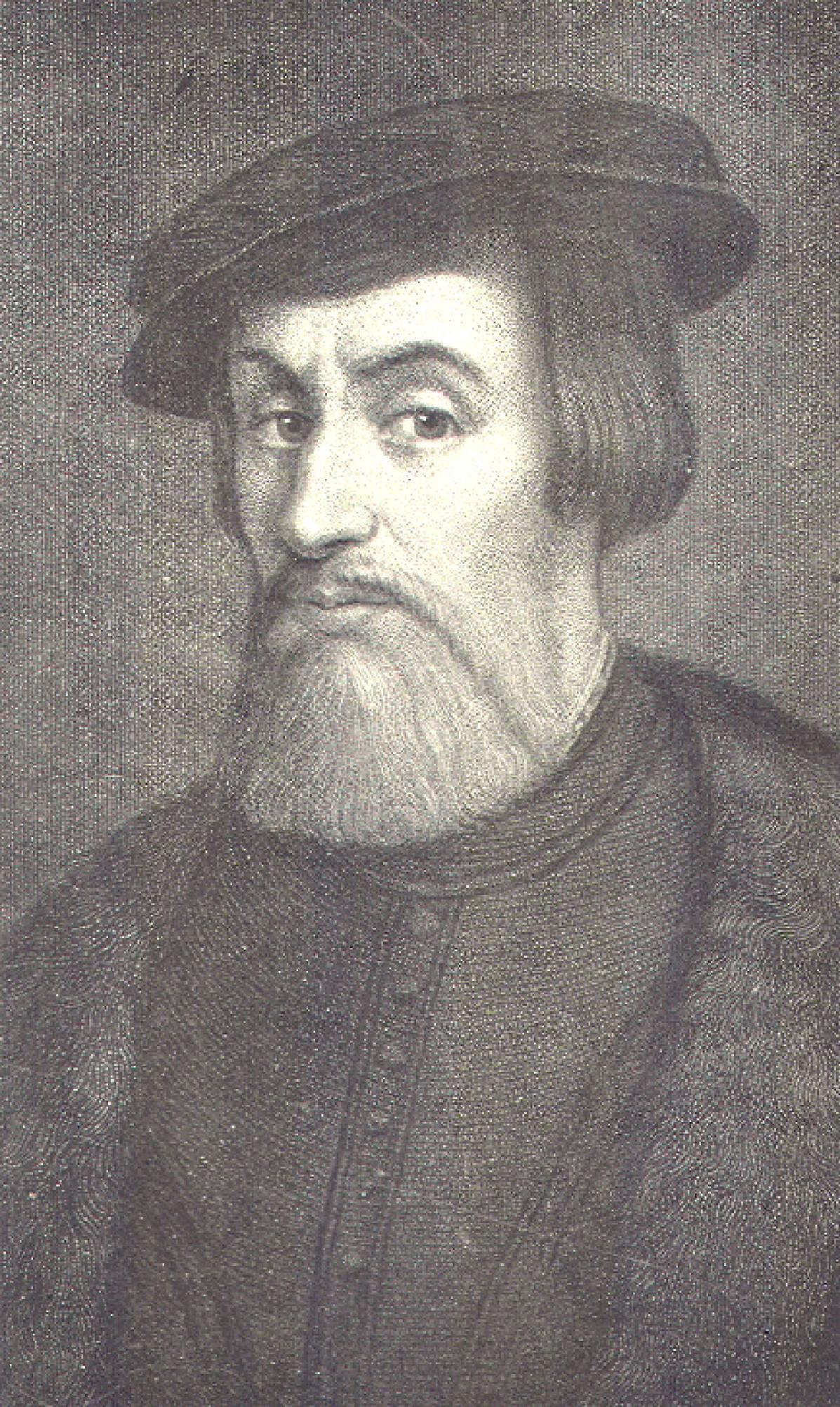
Gonsalvo Mornoy
Formally, the grant was made to Don Antonio de Cardona, a senior noble and royal officer. For centuries, Maltese historians believed that Cardona ruled the islands for several years and that his tenure was comparatively mild. Within weeks of the original contract, he transferred all rights to Don Gonsalvo de Monroy after he declared that he had acted from the beginning on Monroy’s behalf and under his express commission. His name appeared on the January contract only as a precaution.
By April 1421, Monroy had personally paid the full 30,000 florins into the royal treasury.
From that moment onward, Malta was governed as a financial asset held by a creditor.
What followed was not feudalism in the classical sense. The islands were not granted as a hereditary fief, nor were they integrated into noble lineage. The arrangement was contractual and economic. Yet for the population, the distinction was largely meaningless.
Monroy’s authority was close to absolute. The Maltese were aware of this from the start. When Monroy’s administration arrived in 1421, local representatives immediately sought confirmation of their ancient rights and privileges. The years that followed are poorly documented but what survives suggests mounting pressure rather than a single dramatic trigger.
In 1423, Malta suffered a devastating raid from North African forces. The countryside was pillaged and large numbers of inhabitants were taken into captivity. Food supplies collapsed. Even the Bishop of Malta was captured. Retaliatory expeditions by Aragonese forces elsewhere in the Mediterranean offered little relief to an island facing shortages and instability.
By 1425, resistance first emerged in Gozo and spread to Malta a year later. The revolt was coordinated and deliberate. It was not directed against King Alfonso, whose sovereignty the Maltese continued to acknowledge, but against Monroy’s regime. This distinction shaped everything that followed. The rebels framed their actions as loyalty to the Crown combined with resistance to illegitimate domination.
Monroy’s men were driven back into the Castrum Maris, the great fortified harbour castle now known as Fort St Angelo. Inside were his remaining soldiers and his wife, Donna Costanza de Monroy. The fortress was blockaded, effectively cutting off Monroy’s authority from the rest of the islands. The situation alarmed the Aragonese court. In March 1427, King Alfonso ordered his viceroys in Sicily to investigate. One of them, Guglielmo de Muntayans, travelled personally to Malta. His visit failed. He was insulted by the population and returned to Sicily convinced that royal authority had been openly defied. The Crown responded forcefully. The Maltese islands were declared in rebellion. Preparations were made for military intervention.
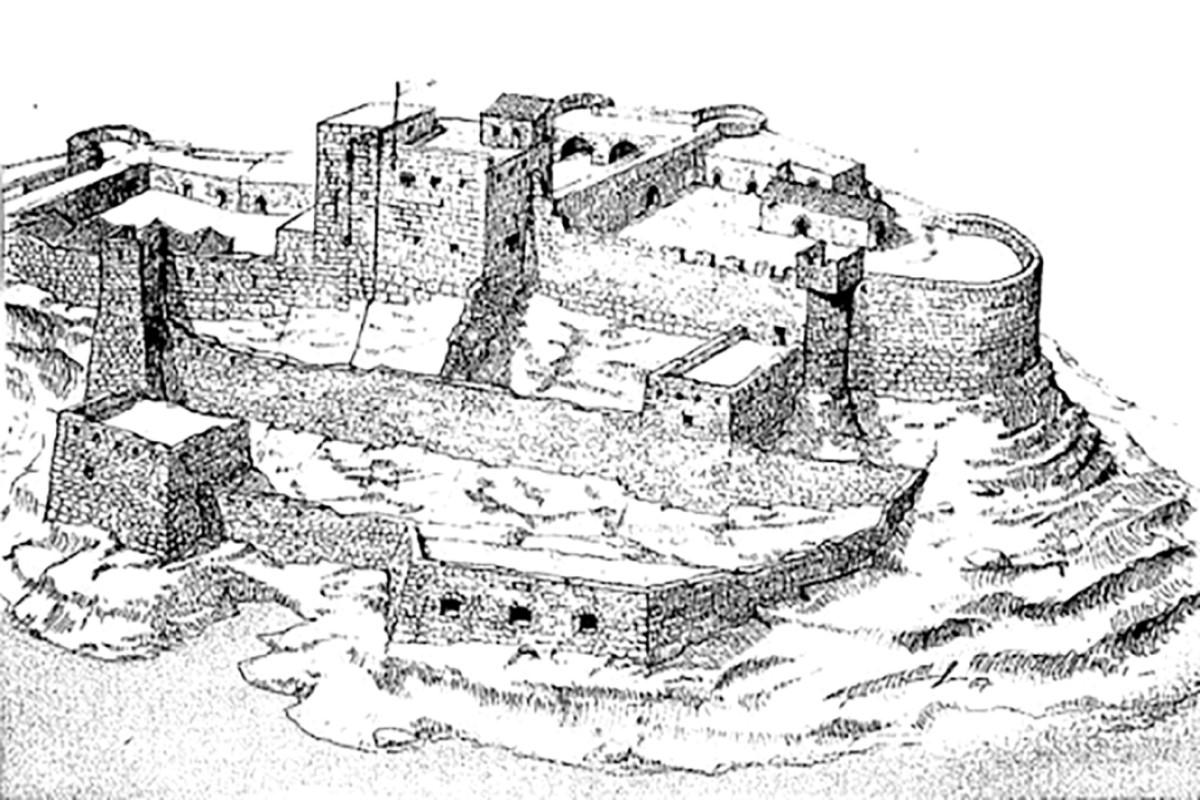
Castrum Maris
Yet the confrontation did not end in war. On 12 May 1427, two Maltese representatives acting on behalf of the Universitas of Mdina met the viceroys in Palermo. They insisted that Malta wished to remain loyal to the king and sought a negotiated settlement. The viceroys remained sceptical, pointing to injuries inflicted upon royal servants and the humiliation of their envoy. Behind the scenes, however, negotiations widened.
The Maltese made an extraordinary proposal. They asked for the right to redeem the islands themselves by repaying Monroy the full 30,000 florins he had advanced to the Crown. In return, they requested a royal pardon and a permanent guarantee that Malta would never again be pawned or granted in fief. The scale of the offer was immense. Thirty thousand florins represented roughly ten years of total government income from Malta and Gozo combined.
To raise the sum, taxation was imposed on every segment of society without exception. Clergy and Jewish communities were included. Resistance emerged. Some refused to pay. Others challenged the assessments. Still, contributions continued to be gathered across the islands. By late 1427, negotiations produced a compromise. The Maltese would deposit assets worth 15,000 florins in Sicily, pay 5,000 florins directly to Donna Costanza, and raise the remaining 10,000 by October 1428. To guarantee compliance, hostages were demanded. Two children of a Maltese representative were placed under Monroy’s control.
It was an extraordinary moment. A population in open revolt had transformed itself into a negotiating body attempting to buy back its own sovereignty.
Before the final payment could be completed, events took an unexpected turn. In June 1428, King Alfonso issued the Charter of Liberties, formally recognising Malta as an inseparable part of the royal demesne. The charter acknowledged that the uprising had been carried out in the king’s name and granted the islands the right to resist by force should they ever again be enfeoffed.