
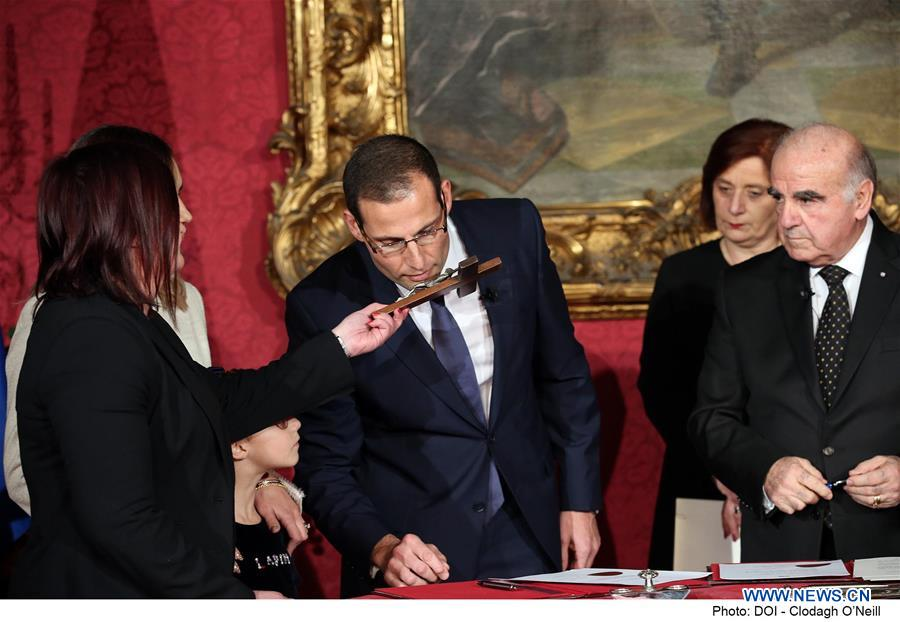
Robert Abela’s first years as Prime Minister
Robert Abela became PM on the 13th of January 2020 after winning the Labour Party leadership contest that followed Joseph Muscat’s resignation. At the time, Malta was navigating a difficult transition. Public trust in institutions was strained, international scrutiny was intense, and political polarisation was high. Abela’s pitch was deliberately measured at the time where he presented himself as a steady administrator rather than a disruptive reformer, someone who understood the machinery of government and could keep it functioning while tensions cooled.
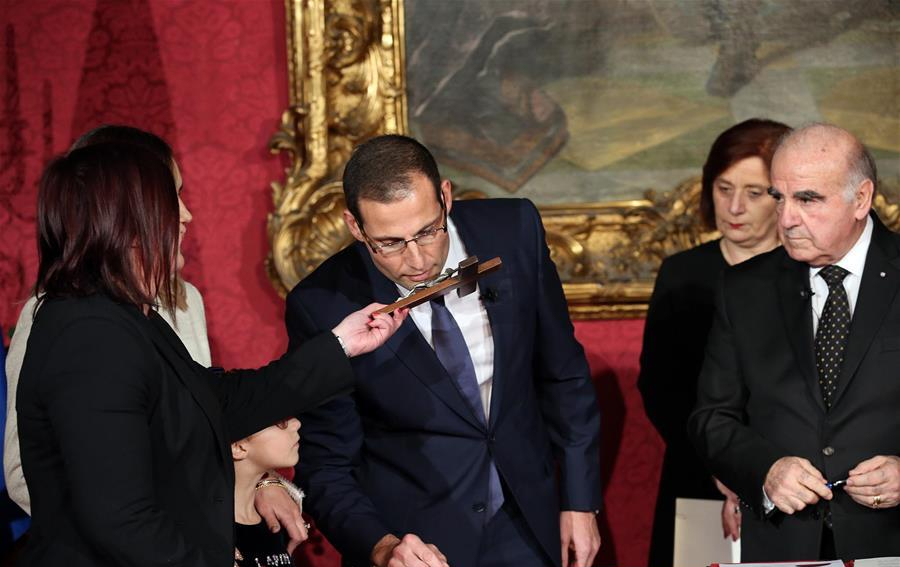
A lawyer by profession and the son of former President George Abela, he was not an outsider to Maltese politics, but neither was he deeply associated with the party’s most polarising battles. That positioning helped him consolidate support within Labour, defeating the odds in an election were his counterpart was the Deputy Prime Minister. The mandate he received was to keep the country moving forward in a turbulent political crisis.
What followed was not a period of calm governance. Almost immediately, Abela’s premiership was defined by crisis management. The COVID-19 pandemic reshaped public health policy, the economy, and social life. Malta’s reliance on tourism, aviation, and services made the shock particularly severe. Government decisions were taken under uncertainty, with limited precedent and high stakes. The emphasis was on cushioning economic fallout, preserving employment, and maintaining public services.
As the pandemic receded, new pressures emerged. Global supply chain disruptions, inflation driven by energy and food prices, and the geopolitical fallout from Russia’s invasion of Ukraine placed further strain on small, import-dependent economies like Malta. At the same time, long-running structural challenges did not disappear. Housing affordability, infrastructure stress, environmental concerns, and institutional reform remained on the agenda.
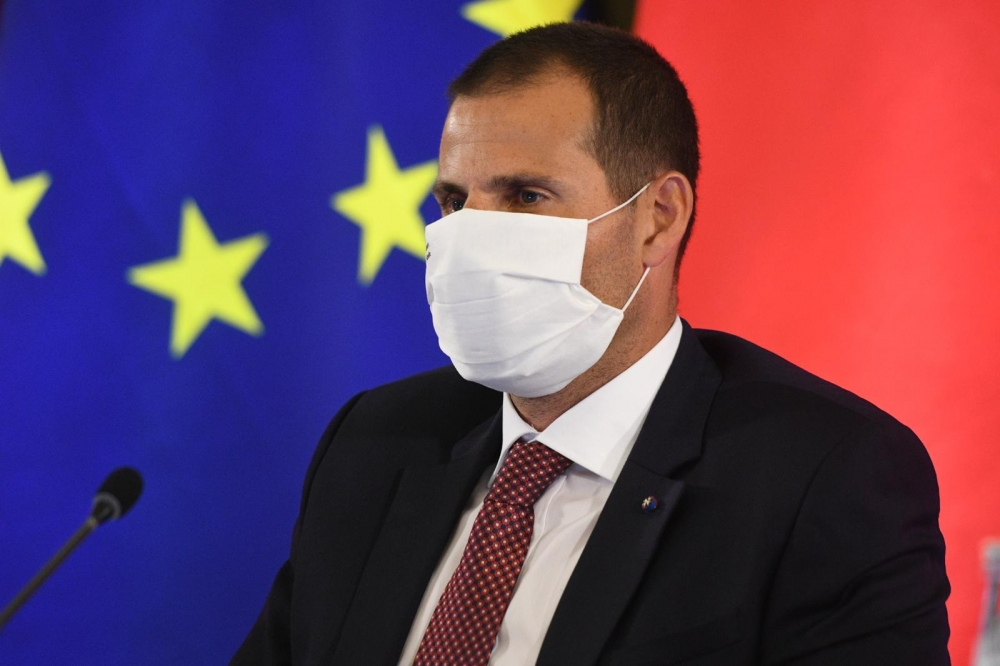
Abela’s tenure can be read as an exercise in political endurance. Rather than radical shifts in direction, his leadership prioritised continuity, fiscal support, and administrative control. Critics argue that this approach postponed deeper reforms and relied too heavily on short-term fixes. Supporters counter that in a period of overlapping crises, stability itself became a public good other countries envy.
The central contrast of Abela’s premiership is not between success and failure, but between expectation and context. He did not assume office with a blank slate or a clear reform window. He inherited a system that was working fine for the point of view of the general public and but needed careful guidance after successive shocks that limited room for experimentation. Through it all, the state continued to function. Elections were held, services operated, and the economy avoided collapse.
His legacy is still being written, but his defining feature is already clear: a leader whose time in office was shaped less by grand vision than by the task of keeping the ship moving while the seas stayed rough.