
When 110 children died during Carnival
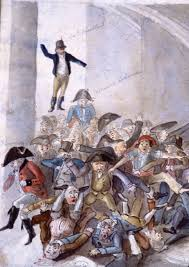
On 11 February 1823, the last day of Carnival, a tragedy unfolded in Valletta that remains one of the deadliest civilian disasters in Malta’s history. What was meant to be a charitable event for poor children ended in a fatal stampede inside the Convent of the Minori Osservanti, today known as Ta’ Ġieżu, near St Ursula Street.
At the time, Malta was facing widespread poverty and food shortages. To keep children away from the disorder of Carnival and to offer some relief, it had become customary to organise a procession for boys from the poorer districts of Valletta and Cottonera. After attending Mass, they were taken to the convent, where bread was distributed before they were sent home. The purpose was both practical and protective: to remove them from the crowds and ensure they received food.
On that day, the Mass in Floriana lasted longer than usual. As a result, the procession back to Valletta coincided with the moment when Carnival celebrations were ending and large numbers of people were flooding the streets. Along the way, other boys and some adults joined the group, hoping to receive bread as well.
The arrangement inside the convent followed a simple system. The boys entered through the vestry, walked along a corridor that included a short flight of eight steps, and exited through a door leading to St Ursula Street, where the bread was handed out. To prevent anyone from returning for a second portion, the vestry door was normally closed once the group had entered. Because the children arrived late, the door was left open longer than usual. In the fading light, more people slipped inside unnoticed, and the corridor became dangerously crowded.
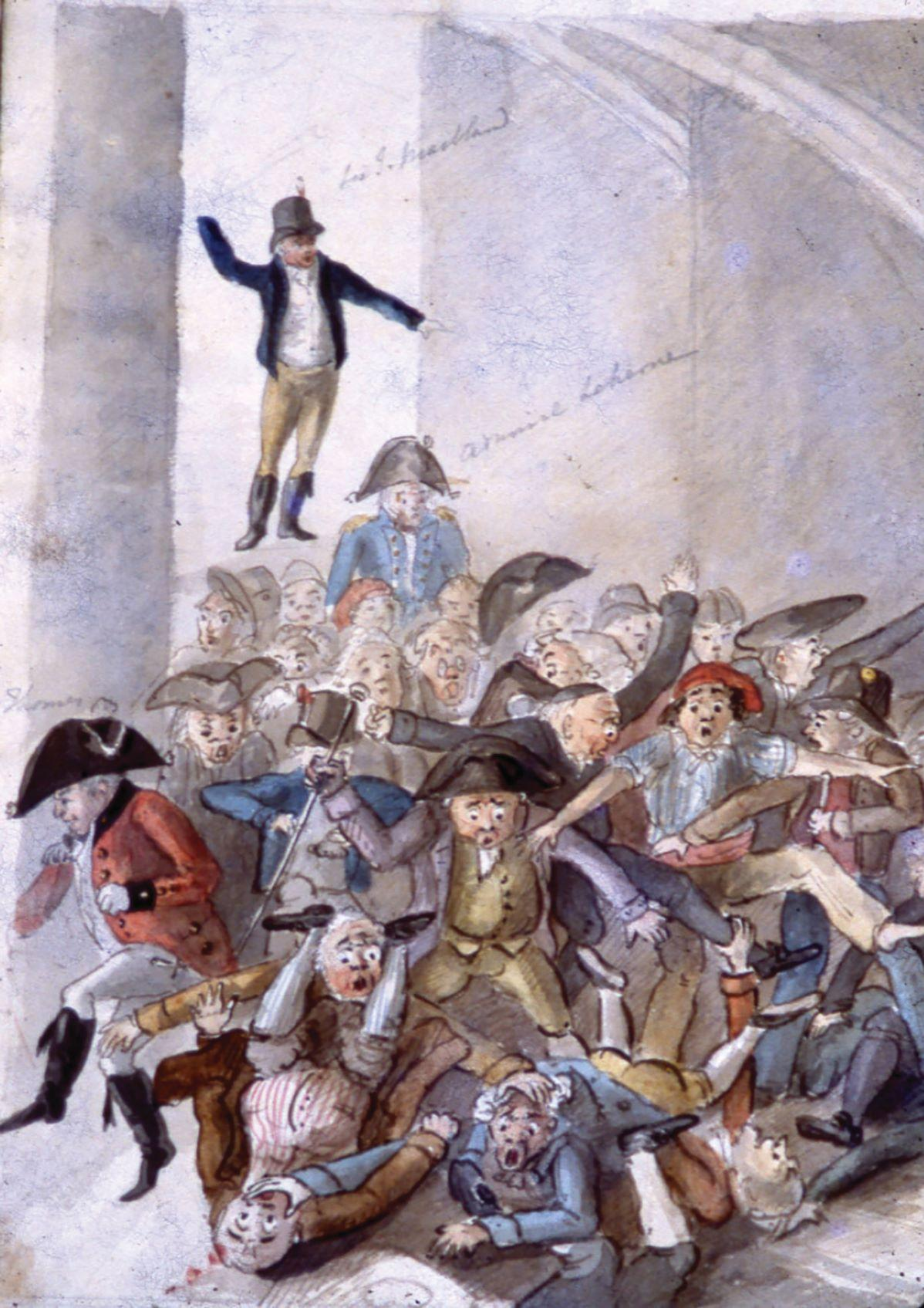
When the vestry door was finally closed, pressure began to build inside the passage. The situation worsened when the lamp that normally lit the corridor went out, plunging the packed space into darkness. Confusion and panic followed. People pushed forward towards the exit, unaware of what was happening at the front. The boys at the head of the crowd fell down the steps and collapsed against the inward-opening door, blocking the way out.
Those behind continued to press forward. Trapped in a narrow space, with no light and no room to move, many were crushed together or trampled underfoot. The cries of the children were eventually heard by the friars and nearby residents, who rushed to help. Efforts were made to open the doors and reach those inside, but precious time was lost.
Some children were pulled out alive and revived but for dozens of others, it was already too late. Ninety-four boys, mostly between the ages of eight and sixteen, were brought to the hospital dead, having died from suffocation after being crushed in the corridor. Other accounts suggest the number of victims may have been even higher, reaching around 110.
An official investigation concluded that the disaster was caused by a chain of errors and unfortunate circumstances rather than deliberate wrongdoing. No one was held criminally responsible. What remains is the memory of a catastrophe shaped by poverty, overcrowding, and misjudgment, when a simple attempt to give bread to hungry children ended in loss on a devastating scale.