
How the 1942 Deportations in Malta Became Law (part ii)
The key sitting came on 9 February. In a charged Council session convened to rush through emergency powers, Sir Ugo Mifsud rose to oppose the measure as an assault on “fundamental rights” and a dangerous bending of constitutional limits in wartime. Partway through his speech he collapsed on the floor of the chamber. He never recovered, dying two days later. Despite the shock, the bill still went through, with George Borg Olivier the only member to vote against it.
In 1942, deportations in Malta were justified as a wartime necessity, even as they pushed constitutional limits. The deportation then became a fact on the ground. On 13 February 1942, 41 internees were shipped out in the hold of HMS Breconshire to Alexandria, and the number rose to 43 because Sir Arturo Mercieca’s wife and daughter chose to accompany him. Both these recorded numbers are still lower than the original 47 mentioned in the original order.
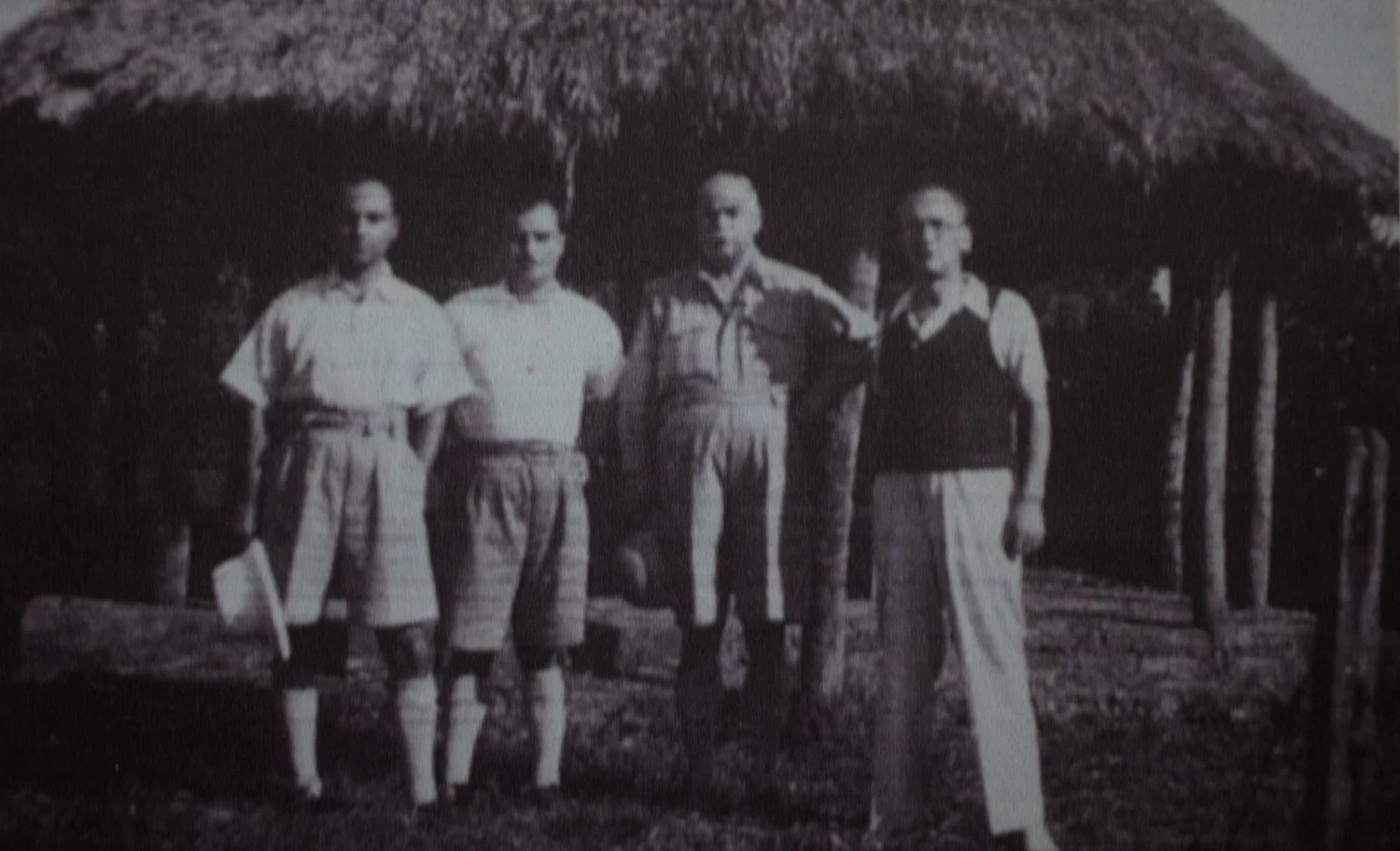
From Alexandria they were then sent onward to camps in Uganda, including Bombo, Soroti and Entebbe, where illness (notably malaria), deprivation, and heavy censorship of mail were part of daily life.
Legally, the story didn’t end where the ship sailed. On 4 May 1942, the Court of Appeal ruled the deportation illegal, yet most deportees were still kept away for years; repatriations only began in 1944, with the remainder returning in March 1945. The courts said it was illegal, but wartime executive power had already done what it wanted, and undoing it was treated as optional.