
When Wartime Malta Deported Its “Enemy Within” (part i)
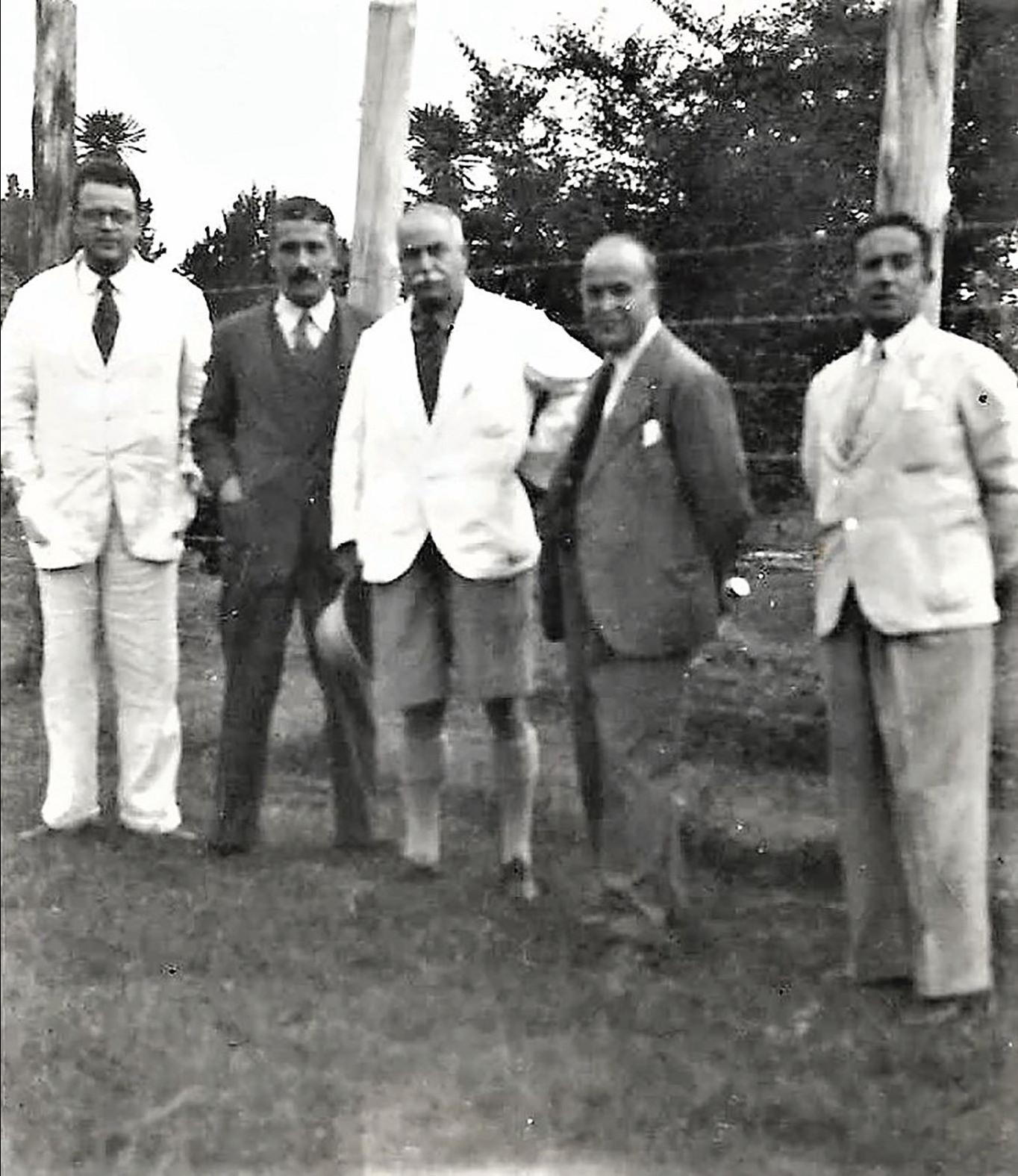
In the first days of February 1942, Malta was being bombed, squeezed by shortages, and still haunted by the possibility of a successful invasion. In that siege mindset, the colonial administration decided to be more drastic. It stopped treating “pro-Italian” sentiment as just politics or culture and started treating it as a security problem.
In this view, the most logical step would be to remove the ‘threat’ from the island altogether, an escalation from detention to exile.
The groundwork had been laid since 1940. Around 120 men were apprehended under “security measures” and held without charge or trial, moved between sites like Fort San Salvatore, Corradino, and St Agatha’s Convent. A few were openly Fascist, but many were simply associated with italianità, an alignment with politics in favour of the dominance of Italian language and culture.
This was an alignment that their opponents loathed, so the net widened far beyond any clear-cut case of espionage or sabotage. One has to keep in mind that during the decades building up to the Second World War, Malta was split between what was called the Language Question.
The immediate trigger for the February crisis—now remembered as the Malta deportations 1942—was the decision to deport internees out of the island. On 3 January 1942, 41 detainees were notified that they were to be sent away, and they went to court. On 7 February, First Hall of the Civil Court ruled that the 1939 Malta Defence Regulations allowed the Governor to detain British subjects in Maltese territory, but did not give him the power to deport them out of the island. In other words: internment, yes; exile, no.
What happened next is why this episode still reads like a constitutional stress test. Rather than backing down, Sir William Dobbie’s government moved to change the law fast, convening the Council of Government and rushing through emergency powers designed specifically to make deportation possible.