
When Two Libyan Fighter Jets Escaped Gaddafi and Defected to Malta
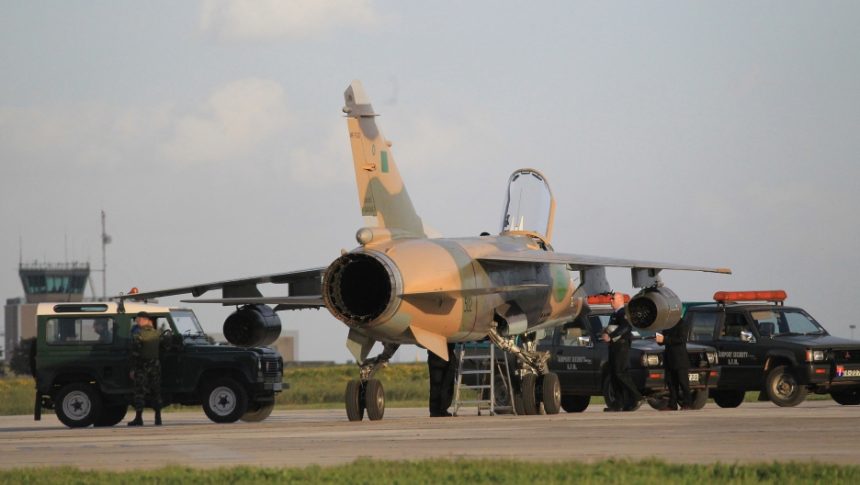
On 21 February 2011, Malta suddenly found itself at the centre of one of the most dramatic early moments of the Libyan uprising.
That afternoon, two Libyan Air Force fighter pilots flew their Mirage F1 jets to Malta and landed at Luqa, saying they had refused orders to bomb protesters in Libya. Maltese officials said the pilots told authorities they had been ordered to attack anti-government demonstrators, and one of them requested political asylum.
The two pilots were reported to be senior officers from a base near Tripoli. According to local reporting, they landed at around 4:30 p.m. on the airport’s commercial runway and only contacted air traffic control after landing, officially claiming they needed fuel.
At the time, Libya was in chaos.
Protests against Muammar Gaddafi’s regime had spread rapidly, and reports were emerging that military force was being used against civilians. The pilots’ arrival in Malta gave international media one of the first highly visible signs that parts of the Libyan military were breaking ranks. It was not just another news update, it was a symbolic moment: armed officers choosing defection over carrying out orders.
The incident also reinforced Malta’s role as a frontline neighbour to North Africa. Because of Malta’s proximity to Libya, the island quickly became a key humanitarian and logistical hub during the conflict: evacuees, journalists, aid operations, and military movements all passed through Malta in the weeks that followed. Reuters later described Malta as remaining deeply involved throughout the war, including as an important link for movements by sea.
The same day, Maltese authorities were also dealing with two French-registered helicopters that arrived from Libya carrying passengers who said they were French nationals. This added to the sense that Libya was rapidly unravelling and that Malta was becoming a critical escape and transit point.
Gaddafi’s government quickly requested that they be returned, but Prime Minister Lawrence Gonzi said Malta refused to hand them back to the regime, despite Libya’s long-standing ties with Malta. The aircraft were kept in Malta (reportedly under guard and later disarmed) while the Libyan conflict continued, and Malta resisted pressure from the Gaddafi government. They were only returned about a year later, in February 2012, after Gaddafi had fallen, and were handed back to the new Libyan authorities rather than to the old regime.
Reuters identified the pilots as Colonel Abdullah al-Salheen and Colonel Ali al-Rabti, who were widely viewed as heroes for refusing to attack civilians.
This story captures something Malta knows well: when instability erupts in the Mediterranean, the island often becomes an integral part of the story.