
Malta votes in the first election in 1888 that delivers a majority-elected Council of Government
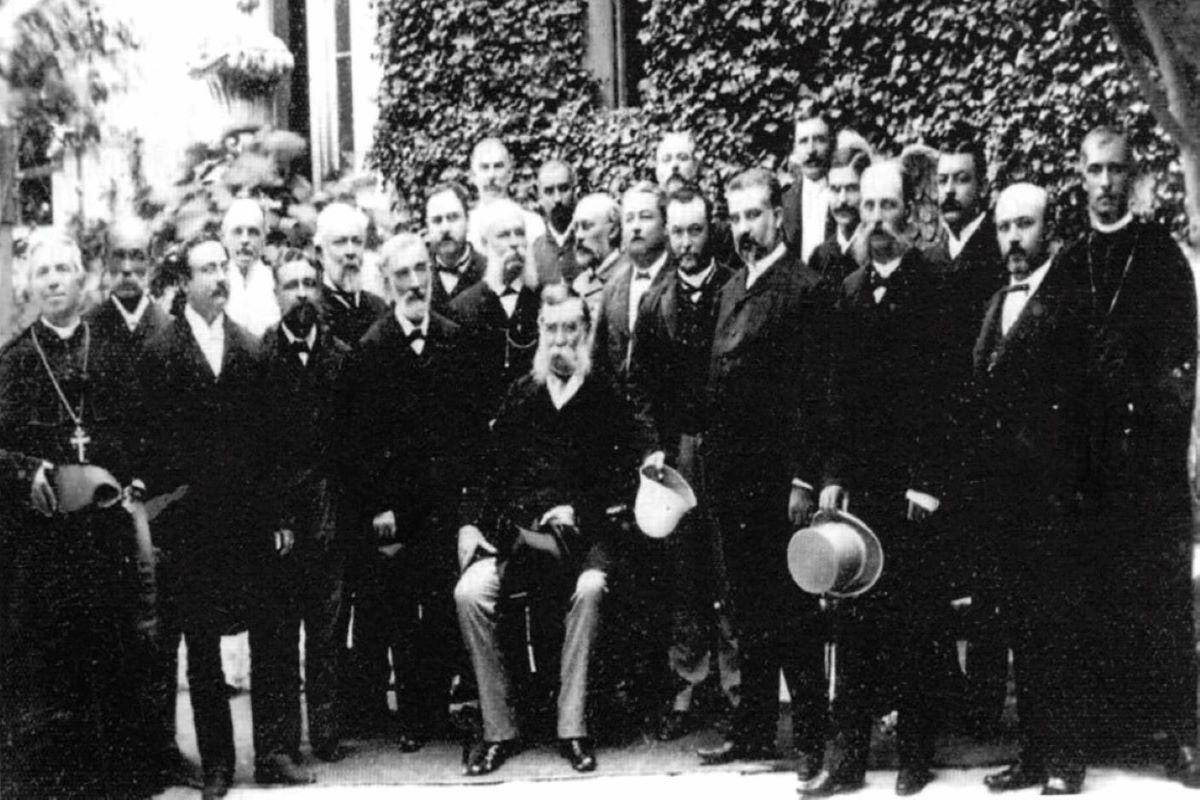
On 2 March 1888, Malta was in the middle of an election that changed the mechanics of colonial government. For decades, the “Council of Government” had existed, but it was structurally stacked: officials and the Governor could ultimately block or outvote elected voices, especially on money. That frustration had been brewing for years, and it even surfaced in London as a live political problem, with MPs and peers openly describing Maltese anger at being treated like a classic Crown colony, and pointing out how a Governor’s casting vote could turn “financial control” into a joke.
The Knutsford Constitution, dated 12 December 1887, was the response. It created a new Council of Government with 14 elected members and 6 official members, chaired by the Governor. Crucially, the Governor had no vote. In plain terms, for the first time, the elected side could outnumber the officials in the room, especially on local and financial questions, even if the Governor still held strong reserve powers, including veto.
It also shows you what “representation” meant in 1888. The 14 elected members were split into 10 elected by general voters and 4 “special” seats elected by corporate/elite groupings: ecclesiastics, nobility & landowners, University of Malta graduates, and the Chamber of Commerce.
To be clear, the definition of the voting population was still narrow and wealth-based (male, 21+, and meeting income/property thresholds; special electors had even higher thresholds). However, this was quite normal for that era.
The first election under this new system ran 1–3 March 1888. The numbers show how limited it was, 3,487 votes were cast froma total of 9,696 eligible voters, resulting in a 36% turnout. Politically, it was decisive, as all the elected members backed Fortunato Mizzi’s Anti-Reform Party, while Sigismondo Savona’s Reform Party failed to elect anyone.
So what changed on the ground? The big change was not that Malta suddenly became democratic. The change was that the colonial administration could no longer rely on a built-in voting majority inside the main council to steamroll local opinion every time. That mattered because the 1880s were already politically combustible. Identity, language, education, and leadership questions were colliding into early party politics and mass agitation. The constitution didn’t solve that tension. IF anything, it provided a stronger arena to fight in.
The new Council’s first session was inaugurated on 20 March 1888 in the Tapestry Chamber at the Palace in Valletta. The aftermath is the honest reality check. The Knutsford system was promising on paper, but it quickly became defined by disputes, dissolutions, and repeated elections, and it ultimately ended with the 1903 Chamberlain Constitution, which rolled representation back toward the older, safer-for-government model.