
How Neutrality entered Malta’s constitution
In 1987, Malta did not just change governments. It changed the rules that decide who gets to govern at all. The constitutional amendments enacted that year ensured that elections would be won by the party that received the most votes, not by the party who got the most seats. The reform is the outcome of a political crisis that had already pushed the country to the brink.
To understand why this change mattered, you have to start six years earlier, with an election result that broke public trust.
1981: Legal victory, political disaster
In the 1981 general election, the Nationalist Party won the majority of first-count votes. Yet the Labour Party formed government, having secured more parliamentary seats due to district boundaries and the electoral system in place.
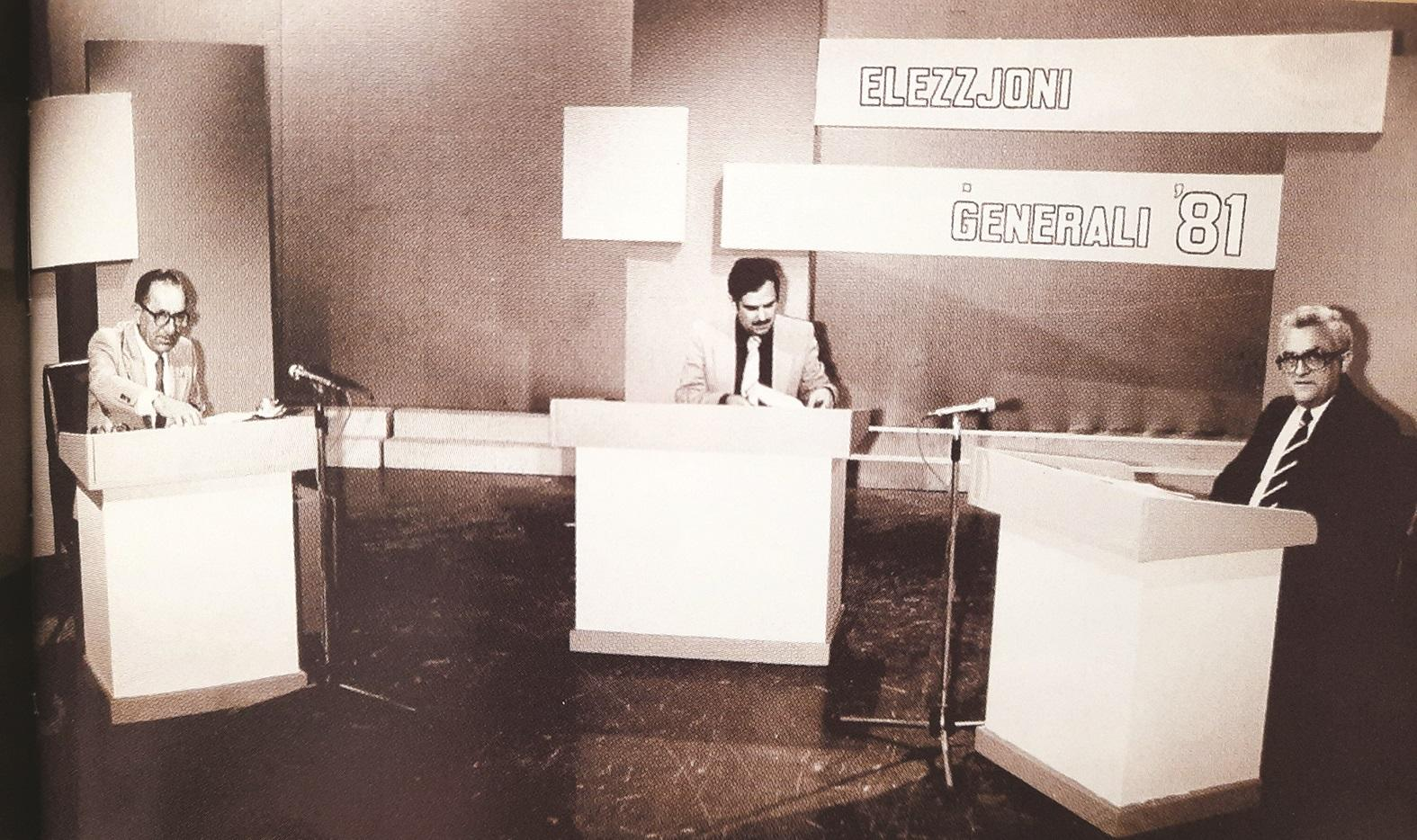
Nothing illegal had occurred. Everything was constitutional.
But legitimacy is not only about legality. It is about whether citizens accept the outcome as fair.
Large segments of the electorate did not.
What followed was not a routine opposition period. Malta entered a prolonged phase of political instability marked by protests, institutional strain, media intimidation, and episodes of political violence.
The system could not survive another 1981
By the mid-1980s, it was clear that repeating the same rules risked repeating the same crisis. Any future election carried the possibility of another mismatch between votes and seats, and with it, another legitimacy breakdown. Both major parties understood this, even if neither trusted the other.
Negotiations began in 1986, largely behind closed doors, between Dom Mintoff, by then no longer prime minister but still the dominant figure within Labour, and Guido de Marco, representing the opposition Nationalist Party.

The Nationalists wanted a constitutional guarantee that the popular vote would determine who governs. Labour resisted, fearing a loss of structural advantage. The breakthrough came not through shared principle, but through compromise.
Neutrality in the Constitution of Malta
According to later accounts, including de Marco’s own reflections, Labour made its acceptance of electoral reform conditional on the constitutional entrenchment of neutrality.
Neutrality was not introduced as a standalone national consensus. It was bundled into a broader reform package as part of a political trade.
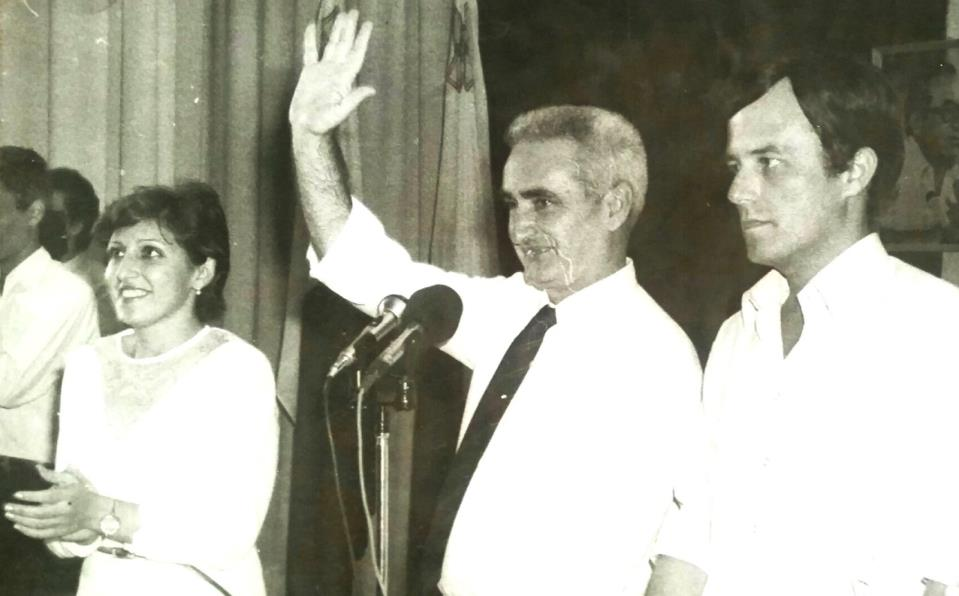
This matters, because it explains why two major constitutional changes, electoral correction and neutrality, entered the Constitution together in 1987 despite addressing entirely different issues.
The electoral mechanism solved a domestic legitimacy crisis. Neutrality addressed long-standing ideological ambitions rooted in Cold War politics. Both were accepted because neither side could achieve its core objective without conceding on the other.
The electoral fix that mattered most
The key reform introduced a corrective mechanism: if a party won the majority of valid votes but not a parliamentary majority, additional seats would be added to reflect the popular result.
Its purpose was simple: prevent a repeat of 1981.
When the 1987 election arrived, the mechanism worked immediately. The Nationalist Party won the popular vote and formed government under Eddie Fenech Adami. Crucially, the result was accepted across society. Power changed hands peacefully.
The crisis cycle ended not because one side defeated the other, but because the system regained credibility.
Further Reading
https://www.um.edu.mt/library/oar/bitstream/123456789/26945/1/17HDPOLS001.pdf https://timesofmalta.com/article/40-years-from-the-election-that-sparked-chaos-1981-revisited.920878