
Tessie Camilleri and the history of female graduates in Malta’s university
When we talk about “firsts” in Maltese history, we often picture big public moments. Elections, constitutions, records but Tessie Camilleri’s story is different. It starts in a family home in Sliema and ends, briefly, in a graduation hall. The line she crossed mattered. It marked the moment Maltese women stopped being outsiders to the country’s highest formal education and began to claim a place inside it.
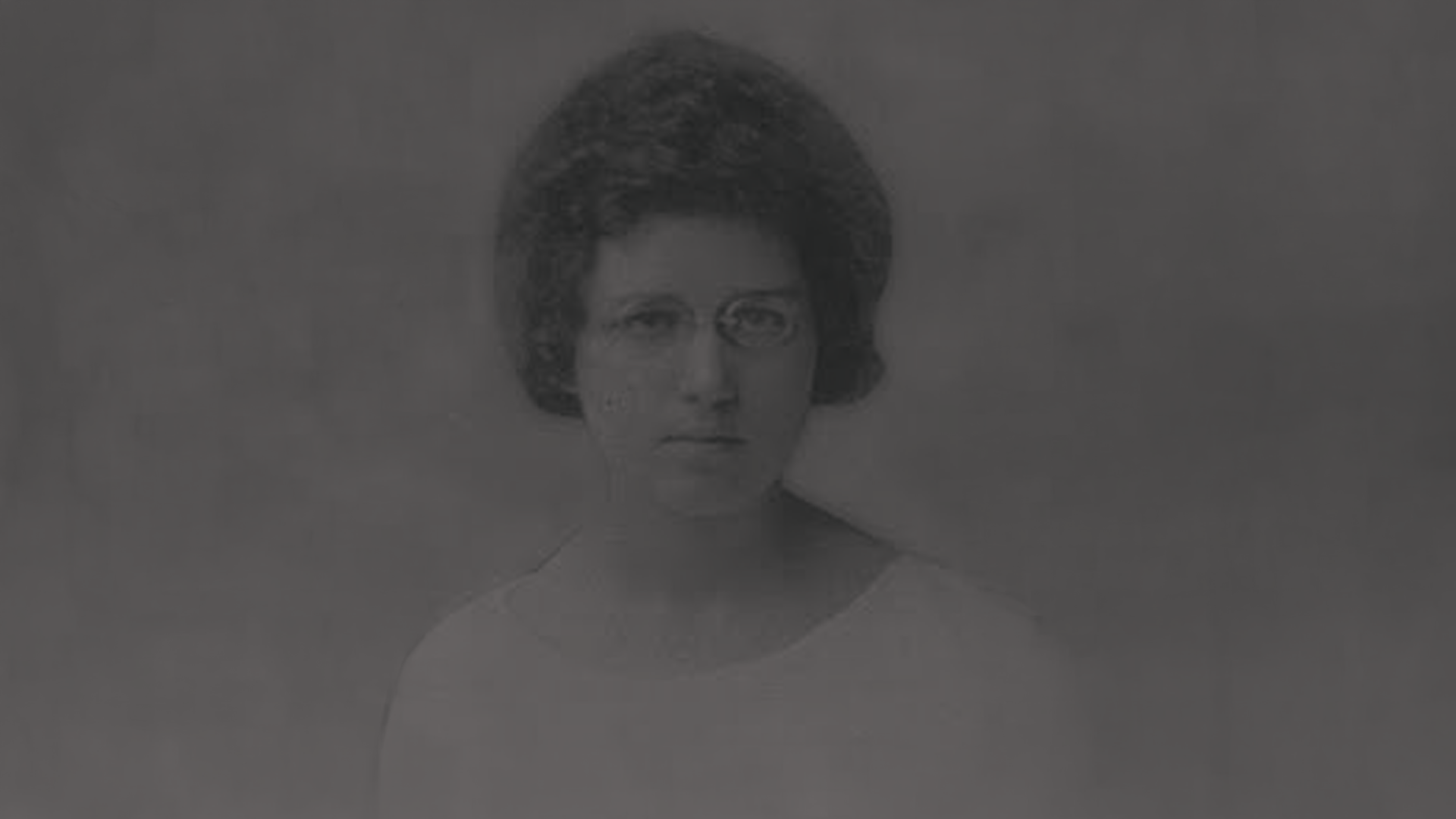
Tessie Camilleri
Tessie Camilleri was born on 6 January 1901. She would go on to become the University of Malta’s first female graduate, a distinction that only makes sense when placed against how long women had been excluded from higher education on the islands.
She was born into a well-educated family. One of her aunts worked as an inspector of schools, while three others ran a private school in Valletta. Education was not a novelty in her household, but formal university education for women still was.
In October 1919, Tessie enrolled at the University of Malta as part of that year’s intake. For the first time in the University’s history, women were admitted as undergraduate students. Tessie was not alone. She enrolled together with Blanche Huber. Tessie chose the Humanities, reading English Literature, Philosophy, and Latin Literature. Huber chose Medicine. Their presence alone marked a break with centuries of practice.
Because Tessie’s course was shorter, she was destined to become the first woman to graduate. On 2 May 1922, she was awarded the degree of Bachelor of Letters. Contemporary accounts of the ceremony make clear that this was seen as more than a routine graduation. In his address, Professor Temi Zammit explicitly referred to the importance of female participation in university life and congratulated Tessie on her achievement. A local newspaper reported that she had greatly distinguished herself in her studies and described her success as well-deserved.
After graduating, Tessie married Edgar Staines, who worked within the University administration as Secretary to the University Council. They had four children. Her life, however, was short. She died in 1930 at the age of 29. Her academic career lasted only a few years, but the institutional change her graduation represented lasted far longer.
Tessie Camilleri’s story is often told as a neat milestone, the kind that fits easily into an anniversary speech or a commemorative plaque. That risks understating what her achievement reveals. When she enrolled in 1919, it had taken women almost 330 years from the founding of the Collegium Melitense to gain access to undergraduate university education in Malta. The barrier was not lowered gradually. It stood firm for centuries and then gave way suddenly.
The University of Malta itself later recognised the symbolic weight of that moment. In 2007, one of the campus walkways was named Vjal Tessie Camilleri in her honour. It is a small physical reminder of a much larger institutional shift.
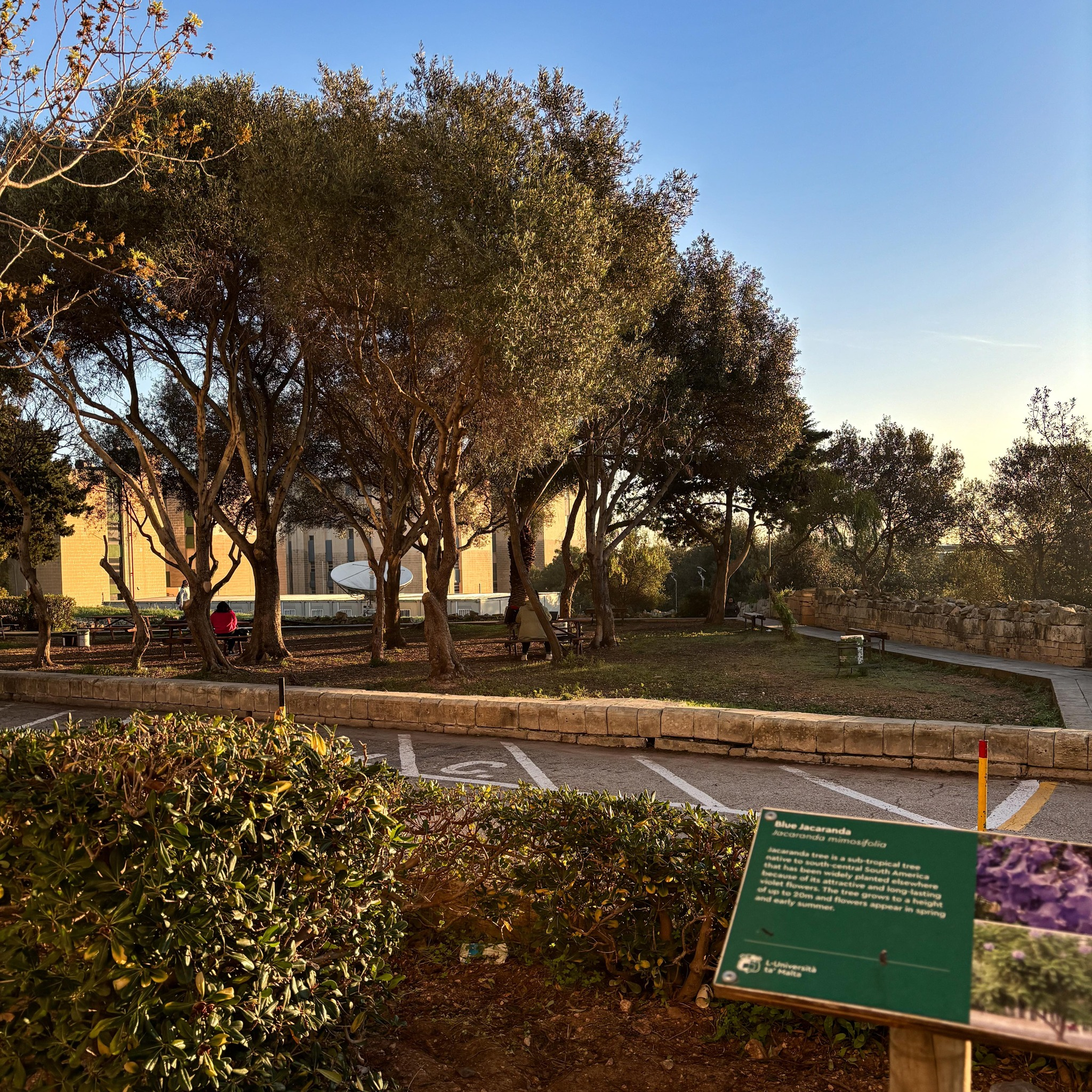
Vjal Tessie Camilleri
Looking at the University today shows how far Malta has moved since Tessie’s time, but also where progress has stalled. Female participation among students has grown rapidly over the past century. By the early 1990s, women made up more than half of the University’s student body, and by 2018 they accounted for close to sixty percent of enrolled students. In numerical terms, the gender barrier to entry has not only fallen, it has reversed.
Yet the same data reveals a more uncomfortable reality. As one moves up the academic hierarchy at the University of Malta, the proportion of women steadily declines. Women are well represented at entry-level academic posts, but their numbers shrink at each promotion stage. At the level of full professor, women remain a small minority. This pattern, often described as a “scissors effect,” shows that access to education does not automatically translate into equal representation in positions of authority and influence.
This is why Tessie Camilleri’s story still matters today. Her achievement opened a door that had been closed for centuries. It proved that women belonged in the University not as exceptions, but as students on equal terms. What followed was rapid change in participation, but slower change in power.
On the day she was born, 6 January 1901, none of this was visible. There were no speeches, no debates, no sense of historical turning points. Looking back, her life reminds us that some of the most important shifts in Maltese history begin quietly, long before society realises what has changed.
Sources
https://timesofmalta.com/article/biography-tessie-camilleri.1076097