
The murder that reshaped the debate on femicide and mental health in Malta
On 2 January 2022, Paulina Dembska, a 29 year old Polish national living in Malta, was killed in Independence Gardens, Sliema. A man, Abner Aquilina, was later charged with her rape and murder. The killing, which took place in a public space in the early hours of the morning, shocked the country and quickly became one of the most closely followed criminal cases in recent Maltese history.
What distinguished the case was not only its brutality, but the questions it forced into the open. As court proceedings unfolded, public attention shifted from the crime itself to the legal process surrounding it, particularly the role of mental health assessments in determining criminal responsibility and fitness to stand trial.
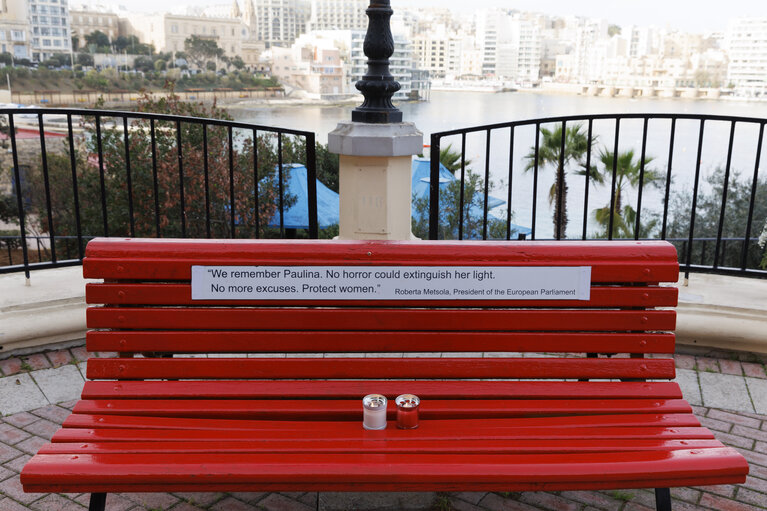
The murder of Paulina Dembska became a turning point in how Malta discusses femicide. Public pressure following the case contributed directly to legislative reform. Later in 2022, Parliament amended the Criminal Code to formally recognise femicide as an aggravating circumstance in homicide cases. Courts are now required to consider whether a woman was killed because of her gender when determining sentence, marking a structural change in how such crimes are framed in law.
The case also exposed a deeper unease about how the justice system handles defendants with severe mental illness. Court proceedings repeatedly highlighted the distinction between criminal guilt and fitness to participate in a trial. For many observers, this distinction was poorly understood. The result was a polarised public debate, often framed as a false choice between compassion and accountability.
In legal reality, a mental health plea is not a route out of justice. A finding that an accused person is unfit to stand trial pauses proceedings, it does not erase them. The court’s obligation is to ensure a fair trial, which requires that the accused can understand and engage with the process. Where insanity or unfitness is established, the response shifts from conventional prosecution to secure treatment and risk management under state control. The objective is public safety and due process, not release.
What the Dembska case ultimately spurred was a more uncomfortable but necessary national conversation. It forced lawmakers, courts, and the public to confront how Malta defines femicide, how it protects women, and how it manages serious mental illness within the criminal justice system. The case made clear that recognising mental illness does not diminish the gravity of harm, nor does it absolve responsibility. It changes the legal pathway, not the demand for accountability.