
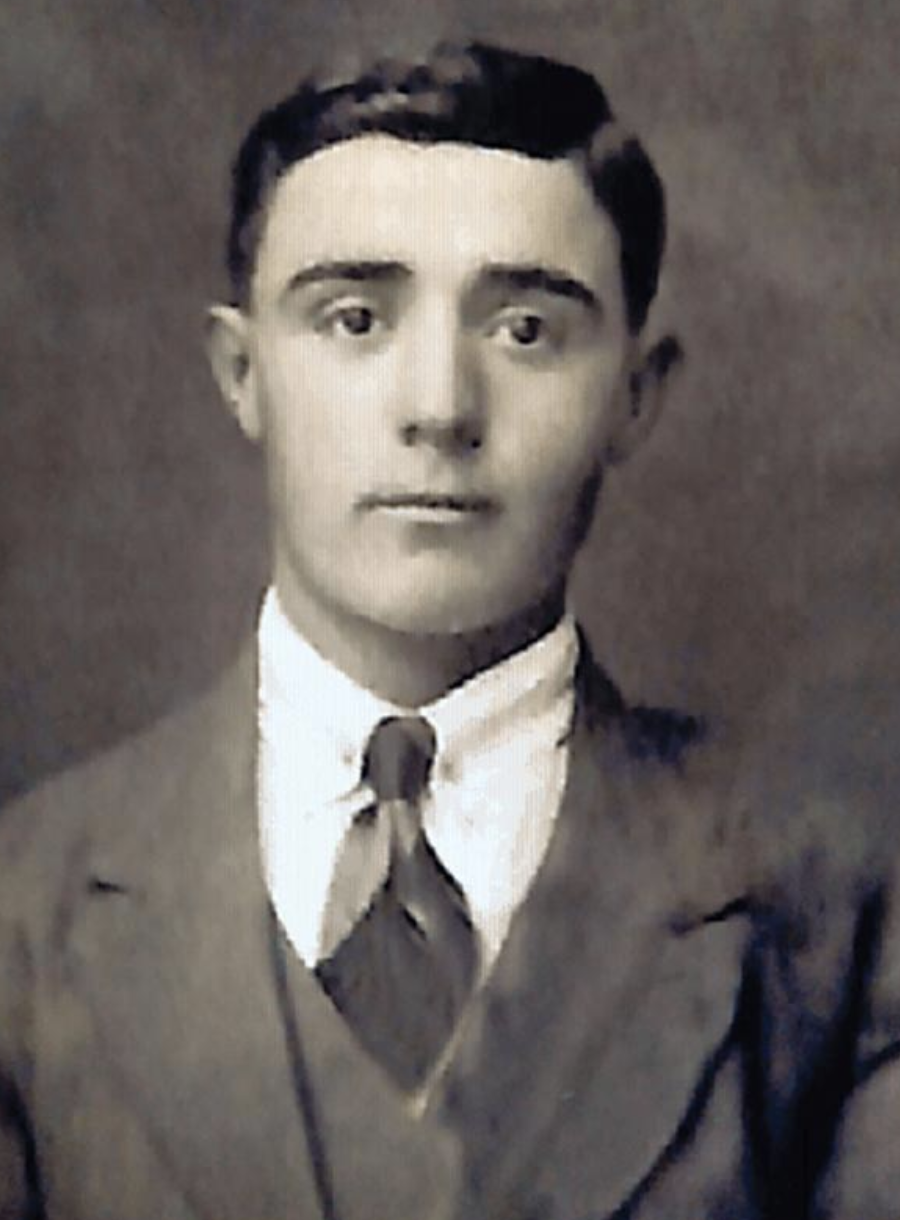
Ġużepp Cauchi, the Gozitan killed in a Nazi camp
Updated: Dec 29, 2025
Ġużepp Cauchi, known in Għarb as Ta’ Neriku, was born on 3 January 1910. He would later become one of the lesser-known Gozitan names tied to the Second World War, not through the bombing of Malta itself, but through a grim chain of events that took him from Gozo to Australia, then to Greece, and finally to a Nazi camp outside Berlin.
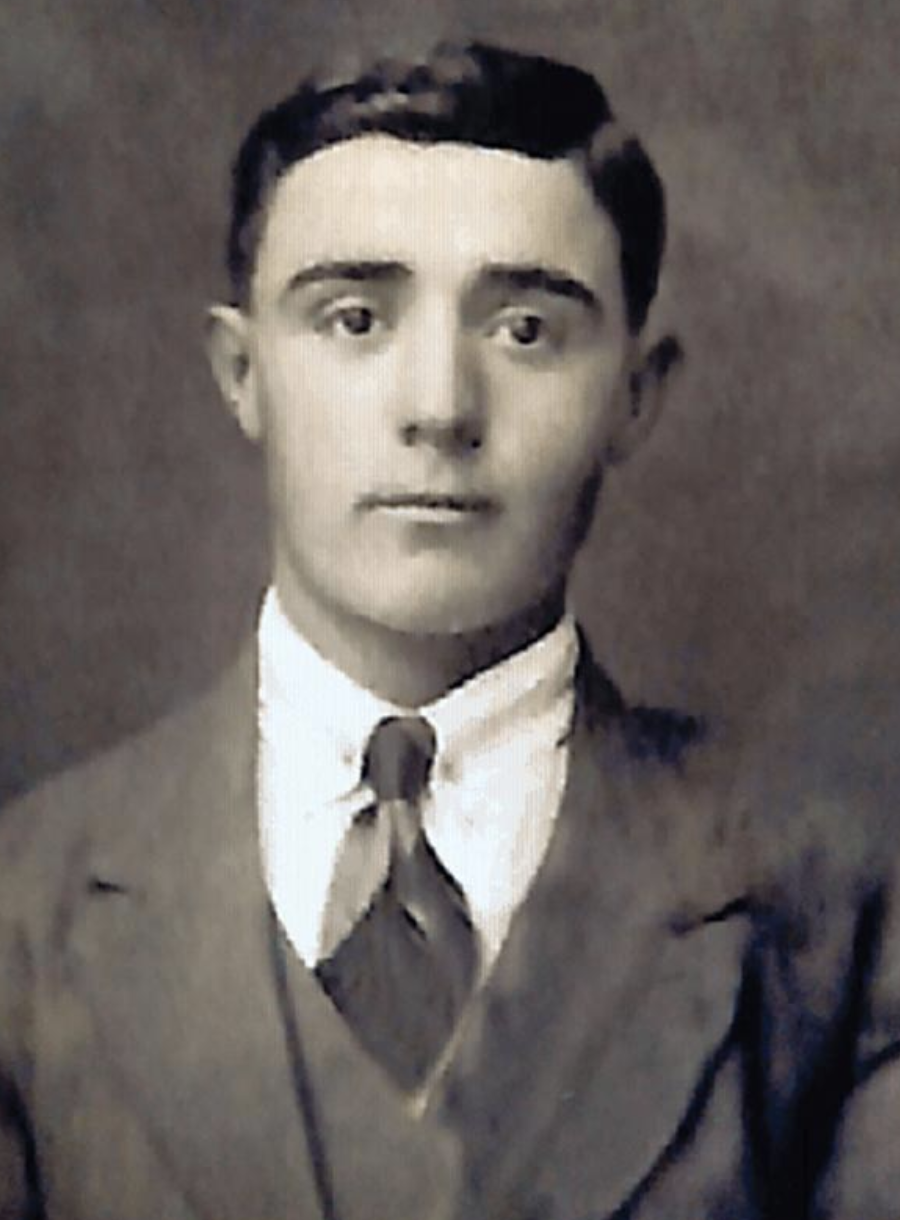
Cauchi left Gozo as a teenager, emigrating to Australia in 1926, part of a broader pattern of Maltese and Gozitan migration in search of work and stability. Before the war reached him, he worked in construction. When he enlisted, he served with the Australian 6th Division, including in North Africa, before being redeployed to the Balkans as the war expanded.
The decisive turn came during the German invasion of Greece and Yugoslavia in April 1941. As Allied forces withdrew under pressure, thousands were captured. Cauchi was among those taken prisoner in Greece towards the end of April 1941, one of roughly 11,000 prisoners from the Allied side referenced in the account.
From there, the story narrows to a place far from Malta’s harbours and shelters: a prisoner-of-war detention camp in the suburbs of Berlin described as a satellite camp linked to the larger Sachsenhausen system. The account describes harsh treatment, and a defining trait that runs through the narrative: Cauchi repeatedly tried to escape. He was tortured after an early attempt. In the end, the Għarb parish records state that he was killed by the Nazis on 4 September 1944 during another escape attempt, shot as he crossed the perimeter’s warning line and tried to clear the barbed wire.
The details are unusual, and that is partly why the story matters. Malta’s Second World War memory is rightly dominated by the siege, the air raids, and the convoy battles. But Cauchi’s life shows another wartime reality for small islands with large diasporas: Maltese and Gozitans could be pulled into the war through the countries they emigrated to, fighting in distant campaigns and facing consequences that never happened on Maltese soil, but still landed back in Maltese family histories.
For decades, Cauchi’s story circulated through research rather than national commemoration. The Gozo Observer article credits the late Gozitan researcher Frank Bezzina with uncovering and confirming details through first-hand testimony from other prisoners, later published with added detail by his son, Charles Bezzina. In Għarb, remembrance eventually became physical: a monument was unveiled to commemorate Cauchi, placing his name back into the village landscape he left as a teenager.
Source
Bezzina, C. (2021). Gozitan prisoner of war killed at a satellite camp of Sachsenhausen. The Gozo Observer, 44, 15–17.