
The story of William Savona
William Savona was born in Valletta on the 7th of January 1865, into a family already deeply embedded in Malta’s public life. He was the son of Sigismondo Savona, an influential figure in education and politics during the British colonial period. From the outset, Savona’s life reflected the intersections of elite education, imperial service, and emerging social politics that would shape Malta in the early twentieth century.
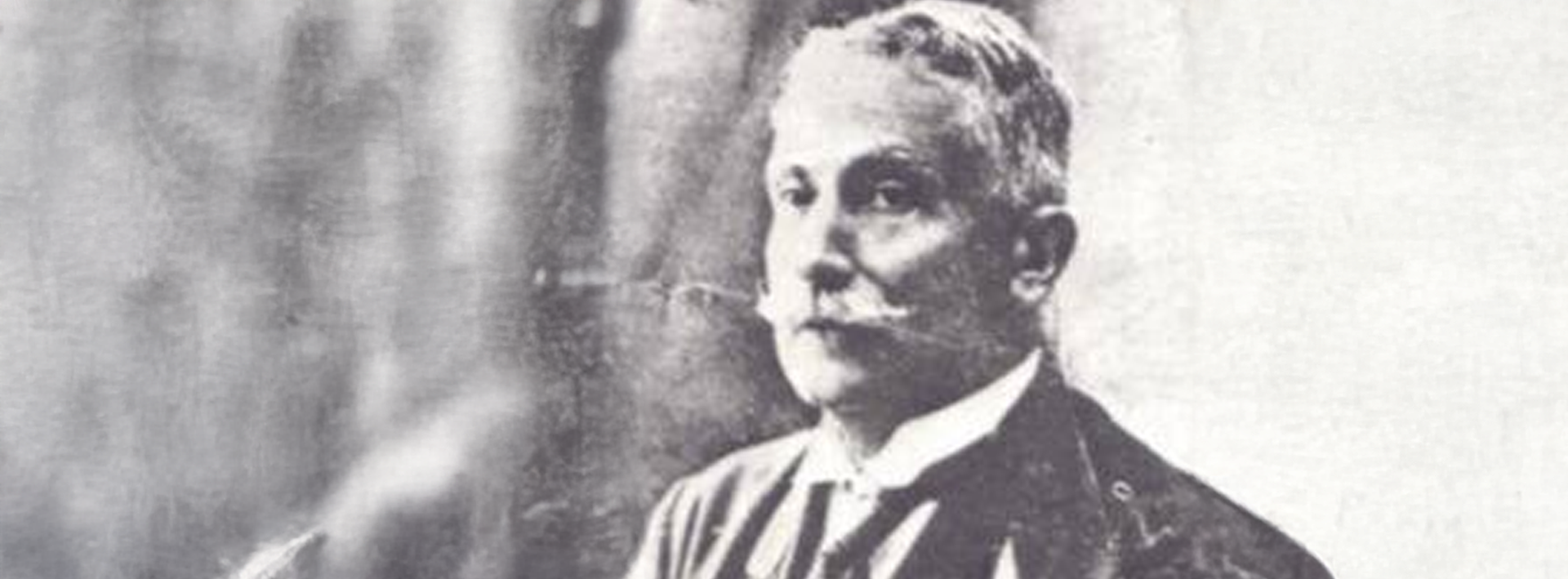
William Savona
Savona was educated at the Lyceum and later at the University of Malta, where he graduated in law in 1886. His early professional trajectory did not immediately point towards politics. Instead, he joined the Royal Malta Artillery and pursued a military career within the British imperial framework. During the First World War, he served overseas in France and Salonica, rising to the rank of colonel. For his service, he was awarded the Member of the Order of the British Empire.
After retiring from military service in 1919, Savona’s path shifted decisively. Post-war Malta was marked by economic hardship, unemployment, and growing social unrest, particularly among dockyard workers and urban labourers. These conditions drew Savona towards the organised workers’ movement, which at the time was struggling to secure political recognition and institutional legitimacy. His entry into labour politics was therefore not youthful radicalism, but a deliberate choice made after a career within the establishment.
Savona became vice-president of the Camera del Lavoro, the body that represented workers’ interests before the formal creation of a labour party. When this organisation transformed into the Labour Party on 15 May 1921, Savona was elected as its first president. The head of the movement at the time was called “President” rather than “Leader,” signalling an attempt to root the party in collective representation rather than personal authority. Savona’s first public speech for the movement was delivered in English at the opening of the party’s first club in Valletta on 9 December 1920, an early indication of his pragmatic approach to language and audience in a politically divided society.
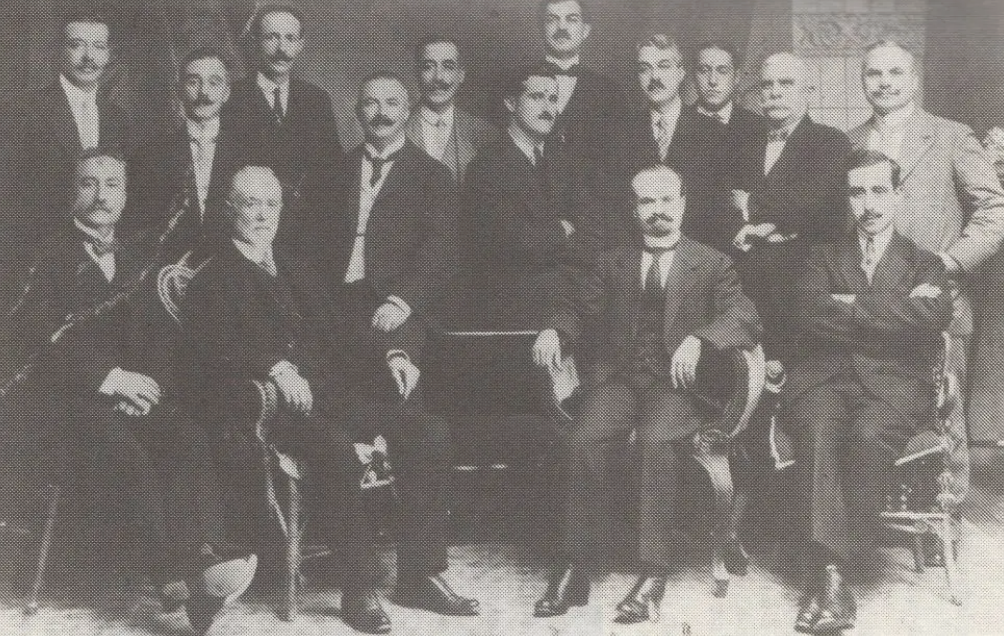
The Camera del Lavoro
The granting of self-government to Malta in 1921 created the institutional space in which Savona operated. Within the new constitutional framework, the Labour Party emerged as the only party explicitly organised around working-class interests. Savona was chosen as the representative of the Trade Union Council in the Senate, where he acted as Labour leader in the upper chamber. In this role, he was appointed Minister for Post, Customs, Agriculture, and Fisheries between 1922 and 1923. His ministerial portfolio reflected the social and economic concerns of the time, particularly employment, rural livelihoods, and state services.
Savona’s political role during this period must be understood within the broader context of Malta’s first experiment with mass party politics. The Labour Party under his leadership distinguished itself from both pro-British and pro-Italian factions by focusing on social legislation rather than cultural or imperial alignment. The party advocated reforms such as workers’ compensation, old age pensions, trade union recognition, and protections for tenants. Savona’s leadership embodied this orientation, combining institutional respectability with a reformist social agenda rather than confrontational nationalism.
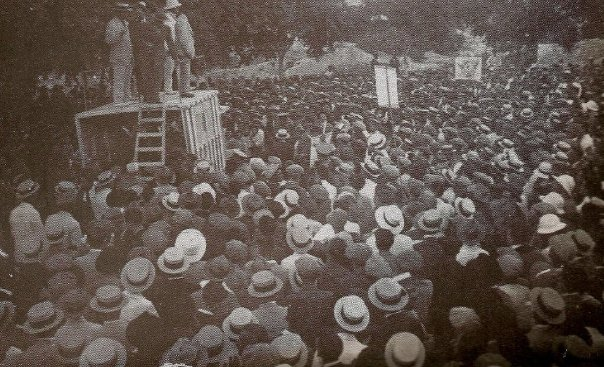
1926 Mass Meeting
In 1924, Savona retired from the Senate and was elected to the Legislative Assembly, serving until 1927. During this period, he acted as leader of the Labour Party in the lower house. However, political realities soon constrained his position. Following the Compact, an alliance between Labour and the Constitutional Party led by Gerald Strickland, Savona failed to secure re-election. Despite being party leader, he was left without a parliamentary seat, and the party appointed Colonel Michael Dundon as leader to represent Labour within government.
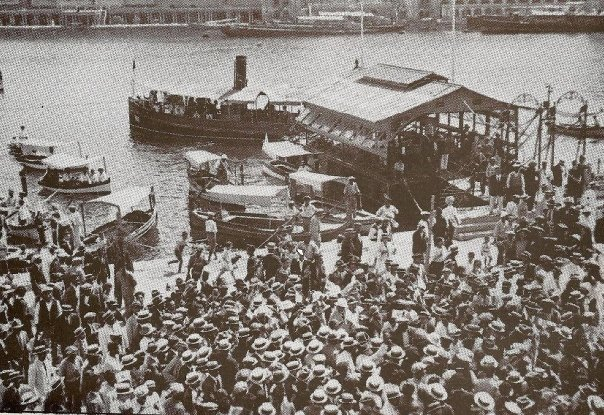
Savona and Strickland are greeted in Isla ahead of a Mass Meeting
Savona remained active within party structures after this setback. In 1928, he was elected vice-president of the national executive committee, and a year later became its president. Shortly thereafter, he withdrew from active political life. His departure marked the end of the Labour Party’s first phase, one shaped by cautious institutional participation and leadership drawn from the professional and military classes.
Historically, William Savona occupies a transitional position in Maltese political history. He provided the Labour movement with credibility, organisational stability, and parliamentary access at a moment when such legitimacy was essential for its survival. Later leaders would reshape the party into a mass political force, but Savona’s role as its first president laid the institutional foundations upon which that transformation was built.
In the longer arc of Maltese political development, Savona’s life illustrates how the early Labour movement was forged not only by workers and activists, but also by figures who bridged elite institutions and social reform. His career reflects a formative moment when labour politics in Malta moved from the margins into the constitutional centre, a shift that would permanently alter the country’s political landscape.